A first hospital visit can feel uncertain when fever, weakness, pain or abnormal readings do not point to one clear diagnosis. You will learn how the visit is assessed, which care pathway fits your symptoms, what records to bring, and what to expect if tests, referral or admission becomes necessary.
Key takeaways
- Bring medication lists, previous reports and the date symptoms began.
- Seek emergency care for severe breathlessness, chest pain, fainting or sudden weakness.
- Expect questions, vital checks and targeted tests for overlapping symptoms.
- Confirm medicines, warning signs, follow-up timing and test results before leaving.
What happens during your first general medicine visit?
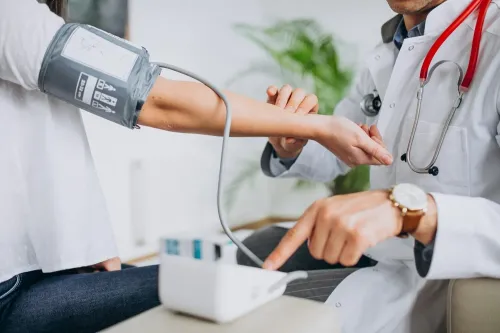
A first visit for general medicine at a general hospital in Jaipur usually begins with registration, identity and contact details, followed by a nurse checking your temperature, pulse, blood pressure, oxygen level and weight. Bring your medication list, previous reports and the date your symptoms began.
- The doctor takes a focused history: your main complaint, medical conditions, allergies, medicines, surgeries, lifestyle and relevant family history.
- A physical examination follows. The doctor may examine your chest, abdomen, nervous system, hydration and signs of infection.
- Initial investigations answer specific clinical questions. Depending on your symptoms, these may include blood or urine testing, an ECG, imaging or microbiology; a larger panel is not automatically more useful.
- The doctor explains the working diagnosis, treatment and warning signs. If the evidence is incomplete, the plan may be observation or further testing rather than a premature label.
- Follow-up is arranged with a date, test instructions and referral if another specialty is needed. General medicine covers adult, nonsurgical problems but may coordinate cardiology, neurology, oncology, gynecology or surgery.
Stable patients usually return home with outpatient follow-up. If you need oxygen, intravenous treatment, repeated examination or close monitoring, the doctor may recommend admission even before the final diagnosis is known. Chest pressure, severe breathlessness, one-sided weakness, confusion or fainting requires emergency care instead of waiting.
Which symptoms need a consultation, urgent care or the emergency department?
Choose the pathway by asking three questions: Is the condition stable, how quickly is it worsening, and can you remain safe while waiting at home?
| Option | What it means | When it applies |
|---|---|---|
| Routine outpatient appointment | Planned history, examination, tests and follow-up | Stable fever, persistent cough, weakness, digestive complaints, high blood pressure, abnormal blood sugar or unexplained pain without danger signs |
| Same-day assessment | Medical review within hours, with tests or treatment if needed | Worsening infection, repeated vomiting, moderate dehydration, markedly abnormal glucose or blood pressure, or symptoms that cannot safely wait several days |
| Emergency triage | Immediate assessment in an emergency department | Chest pressure, severe breathlessness, fainting, new one-sided weakness or facial droop, persistent confusion, seizure, shock-like symptoms, uncontrolled bleeding or a severe allergic reaction |
| Hospital admission | Inpatient monitoring and treatment | You need oxygen, intravenous medicines or fluids, frequent reassessment, or investigations that cannot be completed safely as an outpatient |
Use emergency services for severe symptoms rather than travelling alone. Emergency triage does not automatically mean admission; the doctor decides after examination and initial tests. Admission offers monitoring and rapid access to diagnostics, but it also brings costs, disrupted sleep, reduced mobility, medication changes and infection exposure.
If you are stable and home monitoring is safe, outpatient follow-up may be the safer, simpler choice.
How doctors investigate symptoms that overlap
A symptom that crosses several systems is assessed as a pattern, not as an isolated complaint. The physician matches its timing, severity, triggers, medical history, medicines and examination findings before naming a likely cause. This prevents a cough from being treated automatically as infection or fatigue from being attributed to anaemia alone.
The initial review usually follows this sequence:
- The doctor clarifies the symptom and checks vital signs, hydration, mental status and other focused examination findings.
- The doctor identifies immediate risks and decides whether you need outpatient testing, observation or admission.
- The doctor orders tests that answer specific questions, such as a blood count for anaemia or infection, kidney tests before certain medicines, or an ECG for possible cardiac strain.
A larger panel is not automatically better. Each result is read alongside your symptoms, examination and the time the sample was taken; ordering many tests increases the chance of a misleading abnormal result.
Referral follows the findings, not simply the number of symptoms. Ask for specialist input when the problem needs a procedure, advanced interpretation or treatment outside general medicine. Cardiology, neurology, oncology, gynecology and surgery may become involved, while the physician continues coordinating care.
During cancer treatment, general medicine can assess fever, dehydration, kidney injury or medication toxicity, but the oncology team decides whether cancer treatment changes.
What outpatient and inpatient hospital care involve
Outpatient care suits a stable problem that can be assessed, treated and reviewed without continuous observation. General hospital medical care in Jaipur shifts to inpatient care when home monitoring is unsafe or treatment requires hospital equipment, such as intravenous medicines, oxygen or repeated tests.
Admission does not mean doctors already know the final diagnosis. It may provide time to watch how your condition changes while serious causes are excluded. During this period, expect:
- Regular checks of blood pressure, pulse, temperature, breathing and oxygen saturation
- Repeated examinations and laboratory tests to track deterioration or response to treatment
- Intravenous fluids, antibiotics or other medicines when tablets are unsuitable or insufficient
- Oxygen therapy when blood oxygen remains low or breathing is difficult
- Review of urine output, blood sugar, neurological status or other measures linked to your illness
You may see different doctors or teams, and medicines can change after test results or specialist advice. Ask who is coordinating treatment, what each medicine is for and what result would allow discharge.
Admission offers faster access to monitoring and investigations, but it also brings disrupted sleep, reduced mobility, infection exposure, medication errors and added costs. If you remain clinically stable and a caregiver can follow the plan safely, outpatient review may be the better choice.
What to check before choosing a general hospital
Choose the hospital that can investigate, stabilise and escalate adult medical problems without sending you elsewhere for every step. Compare general medicine hospital services in Jaipur by checking what is available on site, what operates 24 hours, and what happens if your condition worsens.
| Capability | What to verify | Why it matters |
|---|---|---|
| 24-hour emergency care | Emergency doctors, nursing cover and ambulance coordination at night | A listed emergency department is not proof of continuous staffing. |
| Diagnostics | On-site complete blood count, kidney and liver tests, glucose, urine testing, ECG, X-ray and ultrasound; ask which imaging is available after hours | Delayed results can delay treatment or admission. |
| Blood and critical care | Blood-bank access, oxygen supply, monitored beds and ICU or critical-care escalation | Severe infection, bleeding or breathing failure can deteriorate quickly. |
| Referrals | Named arrangements with cardiology, neurology, oncology, gynecology and surgery | General medicine is not a substitute for every specialty. |
| Transfer process | Written criteria, receiving hospitals and ambulance arrangements | Ask what happens if ICU, surgery or advanced imaging is unavailable. |
Apply these questions at Sita Devi Hospital and any alternative before choosing. Also confirm whether outpatient follow-up and inpatient admission are coordinated when monitoring, intravenous treatment or repeated tests become necessary.
Related service
Sita Devi Hospital offers a comprehensive General Medicine department that encompasses several key specialties:- 1. View service → |
What to bring, ask and confirm before leaving
Carry a current medication list with exact names, strengths and doses, including insulin, painkillers, over-the-counter drugs and supplements. Add allergy reactions, previous diagnoses, recent prescriptions, hospital summaries, test reports, home blood-pressure or glucose readings, and the date your symptoms began.
Before you leave, check that you have:
- A written medication plan showing what to start, stop, continue or take differently
- Copies or access instructions for completed reports and images
- The referral name, specialty, reason and appointment process
- A follow-up date, location and clinician
Confirm these points directly:
| Item | Ask | Why it matters |
|---|---|---|
| Pending tests | Who will review the result, and how will you receive it? | Prevents an abnormal result being missed |
| Warning signs | Which symptoms require an earlier return or emergency care? | Defines when waiting is unsafe |
| Medication changes | What is each medicine for, when should you take it, and what reaction needs help? | Prevents duplication and interactions |
| Follow-up | Which clinician will review you after discharge, and when? | Keeps unresolved problems and referrals on track |
Frequently asked questions
What happens during a first general medicine visit?
Registration comes first, followed by identity and contact details. A nurse records temperature, pulse, blood pressure, oxygen level and weight. The doctor asks when symptoms began, reviews your medical history and medicines, examines you, and decides whether you need tests, treatment or specialist referral.
Which symptoms require emergency department care?
Go to the emergency department for severe breathing difficulty, chest pain, fainting, sudden weakness on one side, confusion, uncontrolled bleeding, a seizure or a severe allergic reaction. Contact a doctor promptly for persistent fever, worsening pain, repeated vomiting or symptoms that are not improving.
How do doctors investigate symptoms that overlap?
Doctors combine your symptom timeline and examination with targeted tests. Depending on the problem, these can include a complete blood count, blood glucose, kidney and liver tests, urine testing, an electrocardiogram, chest X-ray or ultrasound. Ask what each test is checking and when results will be available.
What does outpatient or inpatient hospital care involve?
Outpatient care ends after consultation, testing or treatment instructions. Inpatient care involves admission, regular observations, medicines and investigations during a hospital stay, followed by discharge instructions and follow-up. Ask who will update you and what must happen before discharge.
What should you bring and confirm before leaving?
Bring identification, medication strips or a written medicine list, allergies, previous reports, insurance details and a symptom timeline. Before leaving, confirm each medicine’s dose and duration, pending results, warning signs, follow-up date and whom to contact after hours.