The right first step depends on how safely the patient can be assessed and treated without continuous monitoring, not simply on the disease name or an abnormal test result. By the end, you will know when to seek emergency care, when outpatient review is reasonable, what admission involves, and how to prepare for either route.
Key takeaways
- Call 112 for chest pain, stroke signs, severe breathing trouble, shock, poisoning, or sepsis signs.
- Choose outpatient evaluation when symptoms are stable and you can safely wait for testing.
- Ask why observation or admission is needed, which tests are pending, and what discharge signs require urgent care.
- Bring medication lists, prescriptions, prior reports, allergies, identification, and an emergency contact.
When symptoms require emergency assessment instead of an appointment
Call 112 or go to the nearest emergency department instead of waiting for a general medicine appointment in jaipur when symptoms suggest immediate danger. A medical evaluation in jaipur through an outpatient clinic is not the right first step for possible heart attack, stroke, respiratory failure, shock, poisoning or severe infection.
Seek emergency assessment immediately for:
- Chest pressure or pain with sweating, breathlessness, nausea or pain spreading to the arm or jaw
- Severe breathing difficulty, blue lips or inability to speak full sentences
- New one-sided weakness, facial droop, trouble speaking, seizure or loss of consciousness
- Severe uncontrolled bleeding, cold clammy skin, extreme weakness or collapse
- Rapidly worsening confusion, suspected serious poisoning or a dangerously high blood sugar reading with drowsiness
- Persistent vomiting with inability to keep fluids down, very little urine or fainting
- A temperature of 38.0°C (100.4°F) or higher for one hour after cytotoxic chemotherapy, or the threshold and duration specified by your oncology team
| Situation | Immediate action | Why waiting is unsafe |
|---|---|---|
| Possible heart attack or stroke | Call 112; do not drive yourself | Heart or brain injury can progress quickly |
| Severe breathing difficulty or collapse | Use emergency services or the nearest emergency department | Oxygen failure and shock need rapid treatment |
| Chemotherapy-related fever | Contact the oncology emergency team and seek urgent assessment | Febrile neutropenia can become life-threatening |
| Uncontrolled bleeding or serious poisoning | Call 112 and take the container or substance details | Treatment depends on rapid stabilisation and identification |
When outpatient evaluation is safe and when admission becomes necessary
Doctors choose outpatient care in jaipur when symptoms are stable, examination and testing can happen without continuous monitoring, treatment is safe at home, and follow-up is reliable. Routine medication reviews, known-condition follow-up, and test-result interpretation often fit this route.
Before accepting an outpatient plan, ask:
- What problem are we evaluating?
- Which findings would trigger hospital admission in jaipur?
- How quickly will each test result be available?
- Who will review pending results?
- Which symptoms require immediate return?
- When and with whom is follow-up scheduled?
- If admission is proposed, is it for a procedure, monitored treatment, diagnostic work-up, or symptom control?
- How long may admission last, what reports and medicines should you bring, is a caregiver required, and what insurance or deposit process applies?
An abnormal result alone does not require hospital admission in jaipur: doctors weigh severity, symptoms, trend, underlying conditions, treatment, and access to repeat testing. Admission becomes necessary for oxygen, intravenous treatment, urgent procedures, repeated reassessment, or unsafe home care. Low blood pressure, low oxygen, confusion, dehydration, or time-critical deterioration warrants monitored care; call 112.
Emergency department, outpatient visit, observation or overnight admission: what changes
These four levels differ by urgency, monitoring and the treatment you cannot safely receive at home.
| Option | What happens | Typical endpoint |
|---|---|---|
| Emergency department | Rapid assessment, stabilisation, urgent tests and treatment for a potentially serious problem | Discharge, observation or admission |
| Outpatient visit | Scheduled examination, targeted tests and treatment without continuous monitoring | Home with follow-up |
| Observation or short-stay care | Serial examinations, repeat tests and treatment for several hours | Discharge with instructions or inpatient admission |
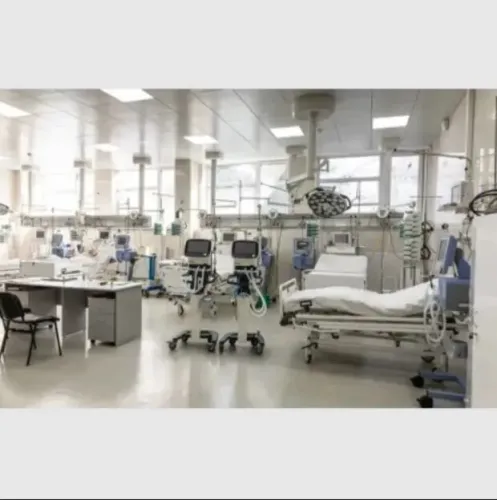
| Overnight admission | Continuous nursing and medical monitoring, oxygen, intravenous treatment, procedures or repeated reassessment | Continued inpatient care until safe discharge |
A person may arrive at the emergency department for chest pressure, worsening breathlessness or fainting, then move to observation while clinicians repeat an electrocardiogram, blood tests or vital-sign checks.
Improvement can lead to discharge, but worsening results, unstable blood pressure, a need for oxygen or treatment that cannot be completed safely at home can convert the visit to hospital admission in Jaipur.
An outpatient appointment is appropriate when symptoms and vital signs are stable, tests can be arranged promptly and follow-up is reliable. Outpatient care in Jaipur does not become admission merely because one result is abnormal; severity, trend, existing illness and the required treatment decide that.
Before leaving observation or the emergency department, ask which results are pending, who will review them, what symptoms require immediate return and when follow-up will occur. A discharge without written return precautions is incomplete.
What happens during the medical evaluation and what to bring
Bring the medication strips, not only medicine names. A medical evaluation in Jaipur starts with symptom onset, progression, past illnesses, operations, allergies, previous reports and home readings such as temperature, blood pressure, blood glucose and oxygen saturation.
Carry:
- Government photo ID, insurance details and referral or appointment papers
- Recent discharge summaries, laboratory results, scans, ECGs and treatment records
- Every current medicine strip, inhaler, injection or supplement
- A written list showing each dose, timing and last dose taken
- Allergy details, including the reaction you experienced
- Contact details for your caregiver and treating specialists
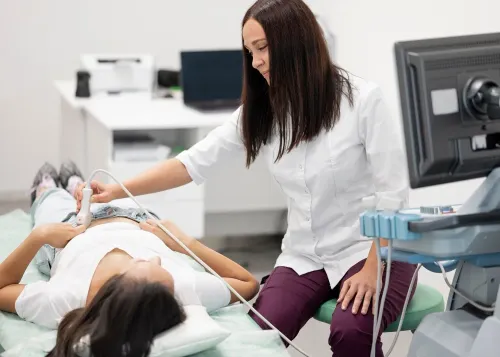
The clinician checks temperature, pulse, blood pressure, breathing rate, oxygen saturation, mental status, hydration, heart, lungs, abdomen and neurological function. Tests depend on the problem and examination; they can include a complete blood count, blood glucose, electrolytes, kidney and liver tests, urinalysis, ECG, chest imaging, ultrasound, CT or cultures.
A chemotherapy patient with a temperature of 38.0°C (100.4°F) needs urgent oncology-guided assessment rather than a routine general medicine appointment in Jaipur.
| Care level | What happens | What may change the plan |
|---|---|---|
| Outpatient | Examination and selected tests during a visit | Stable findings and safe home treatment |
| Observation | Repeat examinations, vital signs or tests for several hours | Worsening results or inability to manage symptoms |
| Admission | Continuous monitoring, treatment or diagnostic work-up overnight | Organ instability, unsafe discharge or treatment needing inpatient care |
Ask when results will be available, who will review pending results, and which findings trigger admission or immediate return.
Questions to ask before discharge or a planned hospital admission
Before you leave, write down the decision, the next action and the warning signs that change it. This prevents a vague discharge and helps you prepare for outpatient care in Jaipur or a hospital admission in Jaipur.
1. What problem is being evaluated, and which finding would make admission necessary? Ask whether you need oxygen, intravenous treatment, repeated examinations, continuous monitoring or a procedure.
2. When will each test result be ready, and who will review pending results? Confirm how you will be contacted if a report changes the treatment.
3. Which medicines should you stop, continue or start today? Show the clinician every prescription, over-the-counter tablet, supplement and insulin dose. Ask for one updated list with the medicine name, strength, dose and timing so duplicate drugs are removed.
4. What monitoring is needed at home or in the hospital? Record targets such as temperature, blood pressure, oxygen saturation or blood glucose, along with the reading that requires urgent help.
5. For a planned admission, what is its purpose, expected duration and caregiver requirement? Ask which reports, identification documents and medication strips to bring, and clarify insurance authorization or deposit steps without delaying emergency treatment.
6. When is follow-up, and where will it occur? Get the appointment date, pending-test plan and a phone number for questions. At Sita Devi Hospital, ask which team will review results after discharge if more than one department is involved.
Return immediately for worsening breathing, chest pressure, fainting, confusion, uncontrolled bleeding, inability to drink or any warning written on your discharge instructions. A discharge plan without return precautions is incomplete.
Related service
Sita Devi Hospital offers a comprehensive General Medicine department that encompasses several key specialties:- 1. View service → |
Frequently asked questions
When should I choose emergency assessment instead of a general medicine appointment in Jaipur?
Go to the nearest emergency department or call 112 for possible heart attack, stroke, respiratory failure, shock, poisoning, or severe infection.
When is outpatient medical evaluation safe?
Outpatient evaluation is suitable when symptoms are stable, you can travel safely, and your condition does not require immediate monitoring or treatment.
What is the difference between an emergency visit, observation, outpatient care, and admission?
Outpatient care uses a scheduled visit; emergency care addresses urgent threats; observation provides short-term monitoring; admission provides an inpatient bed for ongoing treatment and supervision.
What should I bring to a medical evaluation in Jaipur?
Bring your medication list, prescriptions, allergy details, previous reports, identification, insurance information, and an emergency contact.
What should I ask before discharge or planned hospital admission?
Ask about the diagnosis, pending tests, medicines and doses, warning signs, follow-up timing, admission reason, expected length of stay, and likely costs.